Integrating the Right Display into Your Product Design
November 17, 2026 / Displays , Blog
Displays play an important role in modern electronic equipment, from industrial control panels and medical devices to embedded systems and handheld products. Selecting the right technology is an important early decision, particularly when the display needs to integrate with other electronic and mechanical components.
Engineers need to consider more than screen size and resolution. Display performance, operating conditions, electronic interfaces, and physical integration can all influence the finished product's design, reliability, and manufacturability.
Taking these requirements into account early in development can help OEMs simplify integration, reduce engineering challenges, and achieve a more efficient manufacturing process.

Selecting a Display for the Application
The right display depends on how and where the finished equipment will be used. Brightness, resolution, viewing angles, and operating temperature all influence technology selection, alongside considerations such as power consumption and expected service life.
For example, outdoor equipment may require high-brightness displays that remain readable in direct sunlight, while medical or industrial control systems might prioritise viewing angles, colour accuracy, or reliable continuous operation.
TFT LCDs remain a popular choice for industrial applications, offering a wide range of sizes, resolutions, and configurations. Depending on the application, OLED or monochrome displays may also be suitable alternatives.
Additional features such as optical bonding, anti-glare treatments, and customised cover glass can improve usability and protection in demanding environments.
Understanding these requirements from the outset helps identify a display technology that meets the application's needs while remaining practical to integrate into the wider product.
Considering the Complete Display Assembly
A display rarely operates as an isolated component. It needs to fit within an enclosure, connect to control electronics, and often incorporate a touchscreen or protective cover glass.
Physical dimensions, mounting arrangements, and available space can influence the mechanical design, while the display interface, power requirements, and interconnecting cables affect the electronic architecture.
For example, a compact industrial device may require a custom cable assembly to connect the display to its main PCB, or a specially designed mounting arrangement to accommodate the display and touchscreen within a restricted space.
Considering these elements together during development can help minimise assembly challenges and avoid costly design changes once production begins.
Where applications require additional protection or specific physical characteristics, customised display assemblies can also help manufacturers achieve the required fit and functionality.
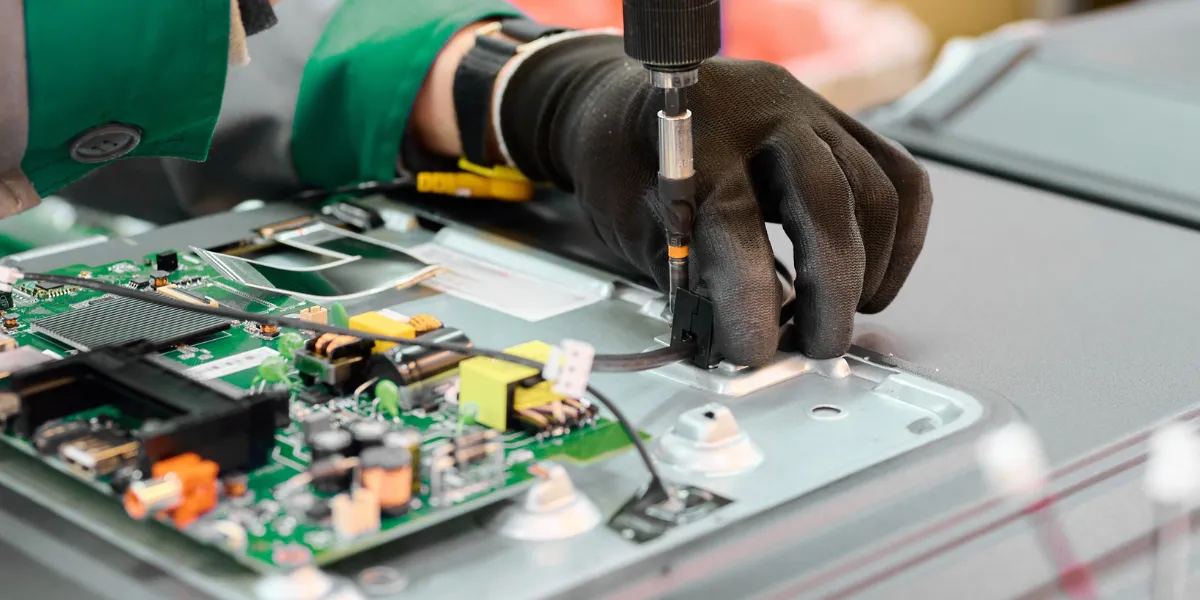
Integrating Embedded Computing and Software
For many applications, the display is only one part of a more complex electronic system. Embedded computing hardware, software, and user interface requirements all influence how the display operates within the finished product.
Engineers must consider compatibility between the display and host system, including interface requirements, processing capability, power consumption, and software support.
Touchscreen applications introduce further considerations, particularly where specific gestures, graphical interfaces, or operating conditions require additional configuration.
Working with our sister company Review Display Systems (RDS), GTK can support customers with display selection alongside embedded computing solutions, software development, and system integration.
Bringing these disciplines together early in the design process helps ensure the display, processing hardware, and software are developed around the requirements of the complete application.
Designing for Efficient Manufacturing
Display integration can also influence how efficiently a product is manufactured, assembled, and tested.
A design that works well during prototyping may introduce challenges during volume production if access to connectors is restricted, cable routing is difficult, or the display requires complex installation procedures.
Considering design for manufacture (DFM) during development helps identify opportunities to simplify assembly, improve consistency, and reduce the potential for manufacturing issues.
At GTK, our engineering and manufacturing capabilities cover custom cable assemblies, high-level assemblies, box build, and full system build. This allows us to support the integration of display assemblies alongside the wider electronic and mechanical components required for a finished product.
Where appropriate, testing and inspection requirements can also be considered during the design stage to support reliable production.
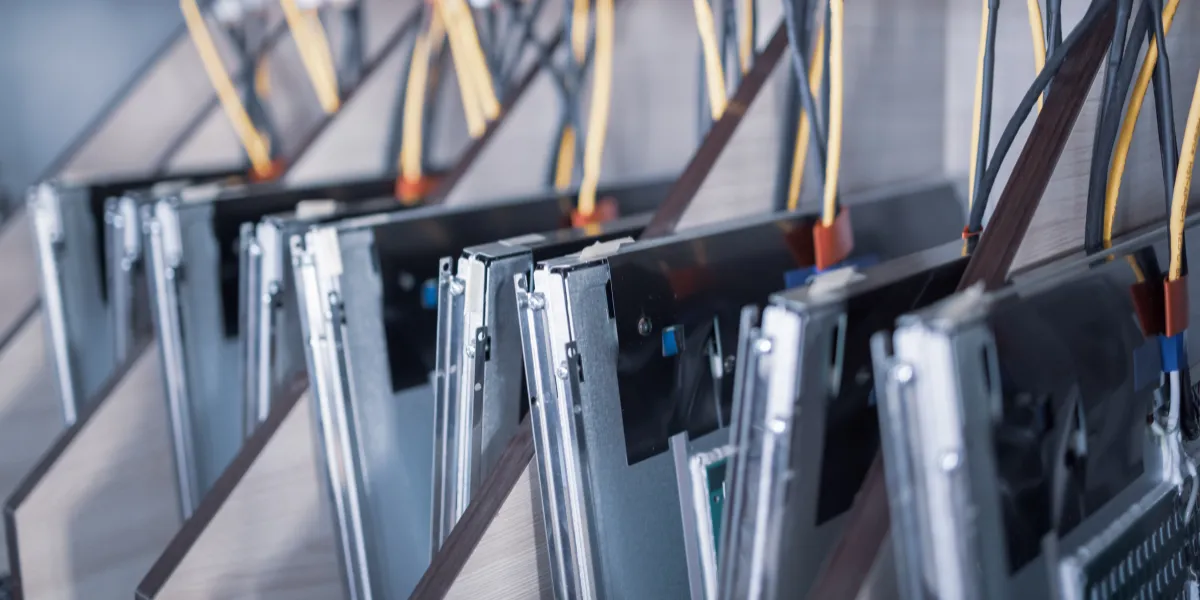
Supporting Long-Term Product Reliability
Industrial and electronic equipment may remain in production or service for many years, making component availability and lifecycle management important considerations.
Changes to a display module can affect more than the screen itself. Differences in dimensions, electrical interfaces, or software requirements may have implications for the wider assembly, potentially requiring mechanical or electronic redesign.
Selecting suitable display technologies and considering long-term availability during development can help reduce these risks.
Working with GTK and RDS provides access to display and embedded systems expertise alongside broader engineering and manufacturing support, helping customers plan for the ongoing requirements of their products.
Bringing Display and Manufacturing Expertise Together
Successful display integration requires an understanding of both the display technology and the equipment it forms part of. Considering mechanical design, electronic compatibility, embedded systems, and manufacturing requirements together can help OEMs develop more reliable products while simplifying the journey from prototype to production.
Through our collaboration with RDS, GTK combines specialist display and embedded systems expertise with engineering, cable assembly, and integrated manufacturing capabilities.