Why Interface Management Matters in Integrated Electronic Systems
September 21, 2026 / Blog
Every component within an electronic system can meet its individual specification but the finished product may still not perform as intended.
A display may be suitable for the application, an embedded computer may provide the necessary processing capability, and every cable assembly may pass its electrical tests; however, problems can still emerge at the points where these technologies meet.
If you’re building a system like this, the challenge extends beyond simply sourcing the right components; you need to make sure that the power, data, displays, embedded electronics, cabling, and mechanical elements all work together within the finished product.
Working with one manufacturing partner brings these requirements into a coordinated process, so the connections between individual elements can be considered as part of the complete deliverable.
The connections between components
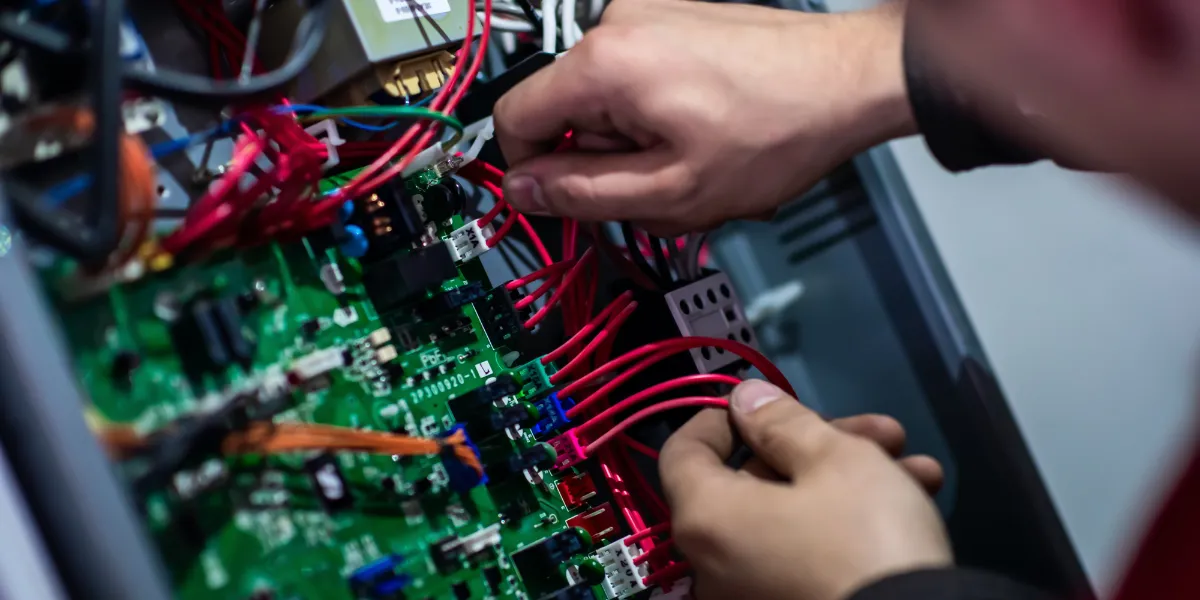
A product may require a display and associated cabling, embedded electronics, power and signal connections, and the wiring needed to connect everything together. Each element might be relatively straightforward on its own, but a decision made in one area can have knock-on effects elsewhere.
For example, you’ll need to consider voltage, current, grounding, connector pinouts, and power demand. Data and display signals can introduce requirements around cable type, shielding, length, and routing. Everything also needs to work within physical constraints such as connector orientation, cable bend radius, available space, and access for installation or maintenance.
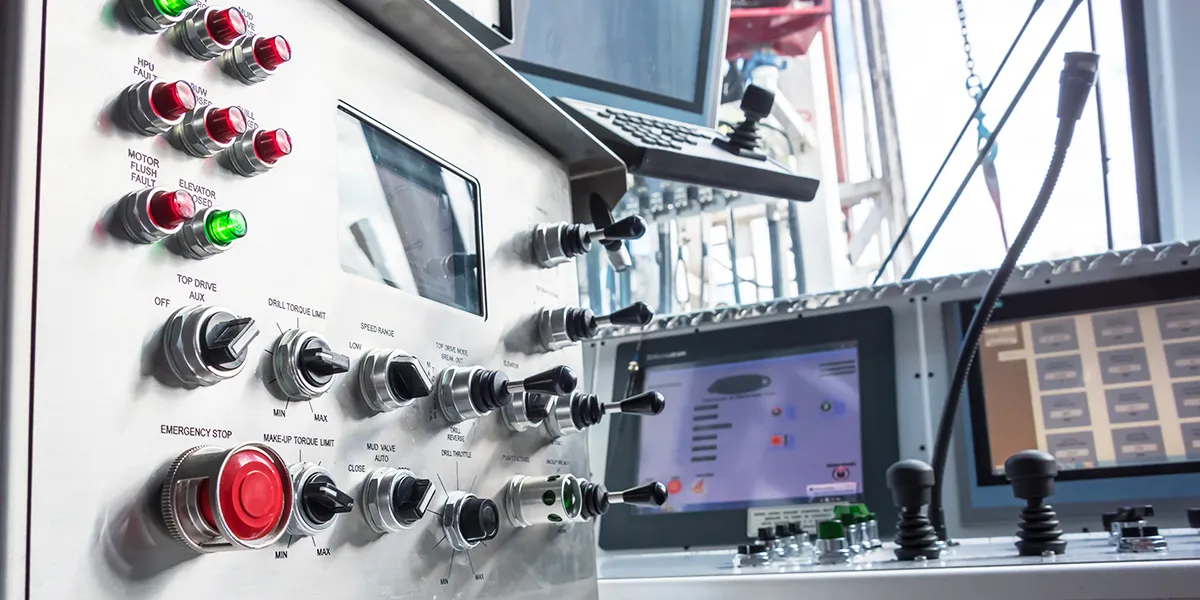
Take an operator interface for a piece of industrial equipment. It might combine a display and touchscreen, an embedded computer, power and data connections, internal cable assemblies, switches, indicators, and an enclosure.
Change the display and you could also affect the mounting, power requirements, cabling, and touchscreen interface. Move a connector and you might alter the cable routing or make maintenance more difficult. Increasing the processing capability could introduce additional heat that needs to be managed inside the enclosure.
Interface issues like these often only become visible when the technologies are brought together.
Looking at the complete assembly
An integrated manufacturing approach considers how the different elements will interact from the outset and carries those requirements through as part of one assembly. Reviewing the complete requirement early helps to identify potential conflicts before they reach final assembly. At GTK, we always look at the complete assembly and how its individual elements need to work together.
Depending on the application, that assembly could include:
- Custom cable assemblies and wire harnesses
- Power and signal connections
- Display modules and touchscreen interfaces
- PCB assemblies and embedded electronics
- Mechanical elements and enclosures
Bringing these elements into one coordinated build process creates an assembly that works as a complete unit and can be supplied ready for integration into your finished product.
GTK’s engineering and manufacturing teams can review how the specified elements will be connected, routed, assembled, and installed. Our engineering team can consider factors such as connector selection, cable routing, mechanical constraints, and manufacturability alongside the electrical requirements.
GTK works to the OEM’s product design and specification, providing engineering support and Design for Manufacture advice to help turn those requirements into a consistent manufacturing process. This could involve consolidating connections, adapting cable lengths or breakouts, improving connector access, or combining several components into a higher-level assembly.
Testing how everything works together
Once the build process has been defined, the complete assembly can also be tested at a more representative level. Where components come from several suppliers, each one may test its own product against its individual specification. Those separate results won’t always reveal issues that appear after the components have been connected.
Depending on the project and the agreed requirements, testing could include:
- Cable continuity and pinout checks
- Verification of connectors and their orientation
- Power-up testing
- Display, touchscreen, and communications checks
- Inspection of mechanical fit and cable routing
Checking these points during manufacture reduces the risk of receiving several individually approved components that still need troubleshooting during final assembly. Test requirements can also be captured in agreed drawings, bills of materials, work instructions, and inspection criteria, supporting greater consistency across production.
One partner for the complete deliverable
Combining the manufacture and testing of these elements also makes responsibility for the finished assembly clearer. When these elements are sourced separately, the OEM is responsible for bringing them together. If the finished system doesn’t work as expected, finding the cause may mean dealing with several suppliers, each responsible for only one part of it.
With one manufacturing partner, you have a single point of contact for the complete deliverable. Issues can be investigated across the assembly, while component or specification changes can be coordinated through one process.
A more complete assembly can arrive ready for installation, reducing the work required during the OEM’s own production process. The benefits can include fewer integration issues, less installation work, more consistent assembly, better coordinated change control, and a repeatable route from prototype to production.
Successful integration depends on understanding how power, data, displays, embedded electronics, cabling, and mechanical elements will work together in the finished product. Their requirements need to be carried through manufacturing, testing, installation, and ongoing maintenance.
GTK’s manufacturing capabilities span cable assemblies, displays, embedded systems, high level assemblies, and box build solutions, allowing multiple requirements to be brought together through a single manufacturing partner. By looking at the complete assembly, we can help turn a collection of individual technologies into a coordinated, production-ready deliverable.